
What Is Your Brain Doing to You? The House of Illusions Hamburg explains it to you!
Have you ever been absolutely convinced that you saw or heard something—only to realise later it was an illusion? Welcome to the fascinating world of illusions!
At the Museum of Illusions Hamburg, you'll discover just how easily our brain can be fooled—and why that makes the experience so exciting.
What Types of Illusions Are There?
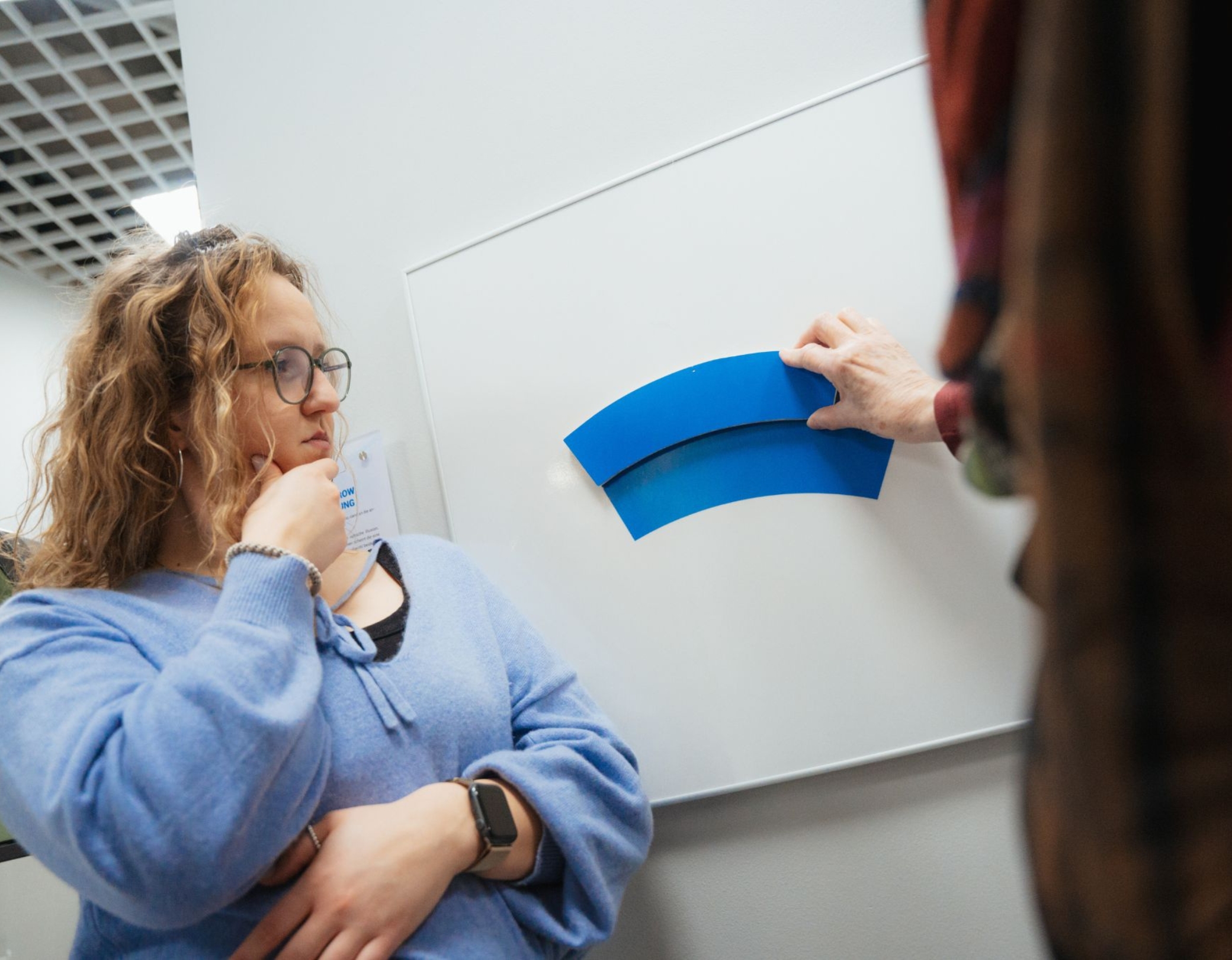
Illusions occur when our perception doesn’t match reality. But how does this distorted interpretation of our surroundings come about? We can distinguish between three main types of illusions:
1. Optical Illusion
Optical illusions are particularly mind-bending because they show how easily our visual system can be manipulated.
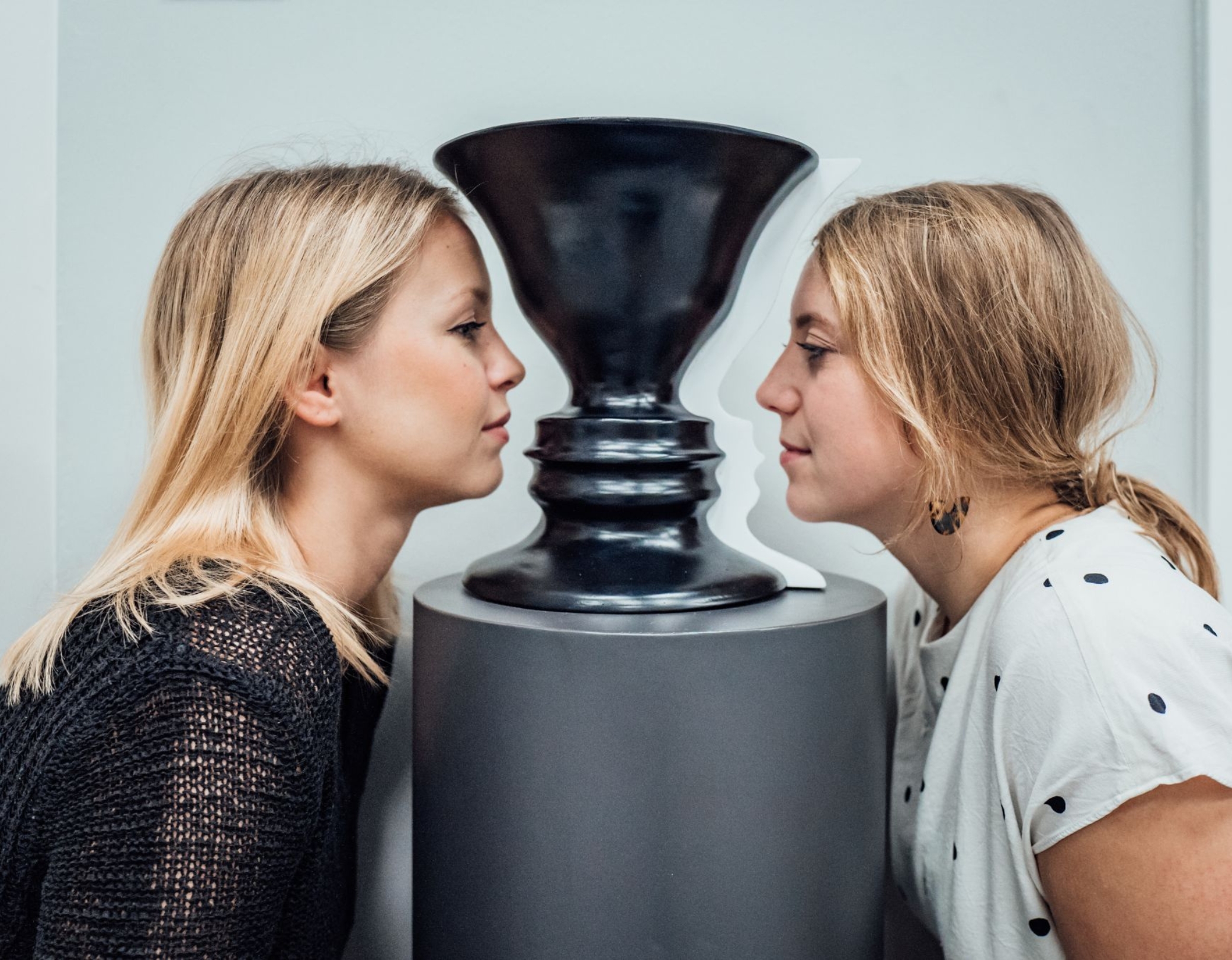
A highlight in the museum: Rubin’s Vase – a famous reversible image where you either see a vase or two faces. Our brain constantly flips between the two interpretations. Many other exhibits also play with contrasts, perspective and motion to deceive our eyes.
2. Cognitive Illusions
Cognitive illusions are based on shortcuts our brain uses to process information efficiently.
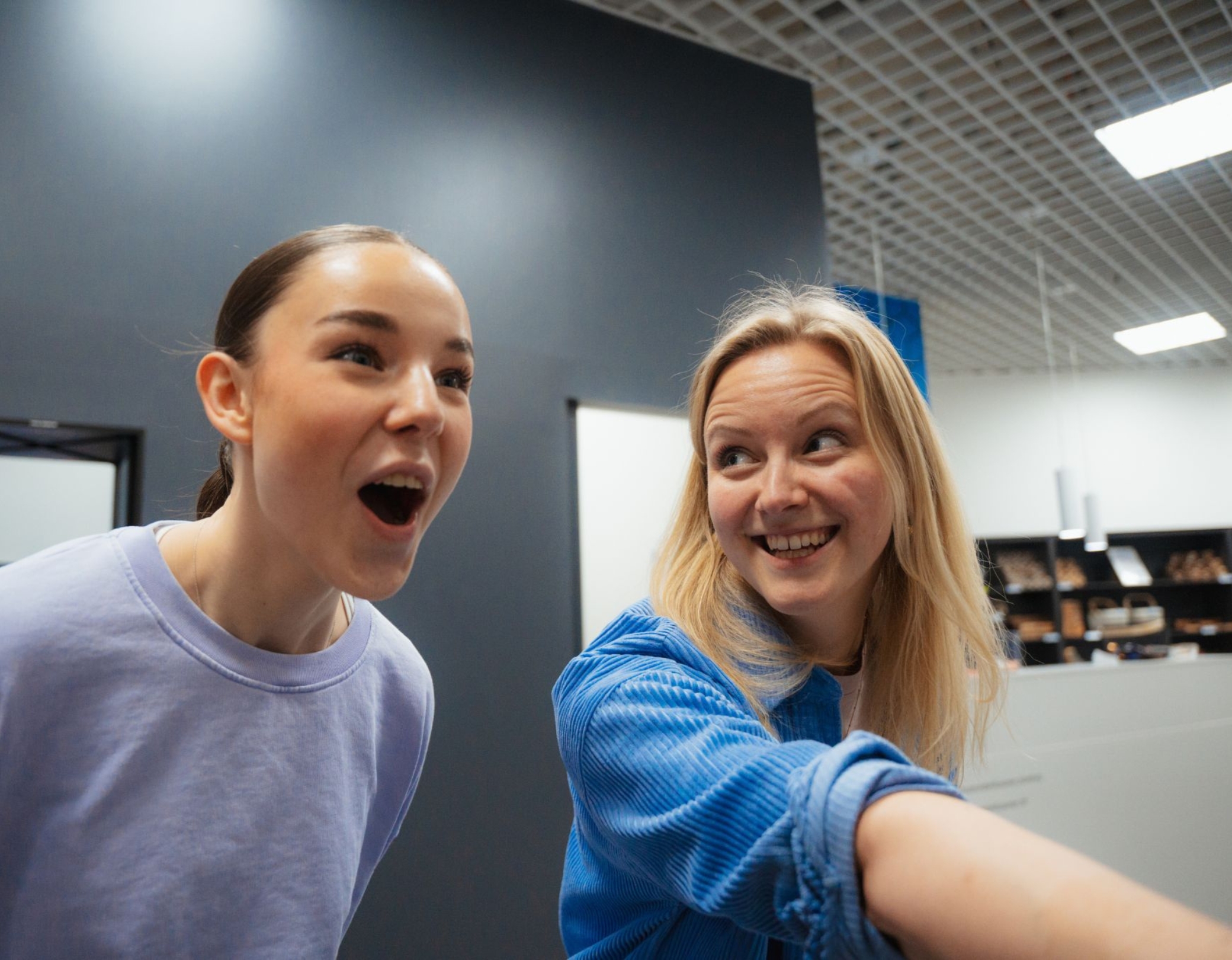
A brilliant example: the Ames Room. This room completely distorts our sense of size. People appear enormous or tiny depending on where they stand.
The reason? Our brain automatically assumes that rooms are rectangular.
The Ames Room demonstrates just how much our spatial perception depends on these learned assumptions—and how easily they can be manipulated by clever design.

3. Accoustic Illusions
It’s not just our eyes—our ears can be deceived too.
Take the Shepard Scale: a sequence of tones that seem to endlessly rise or fall, without ever reaching a conclusion.
Our hearing is tricked because the brain tries to impose a logical structure on overlapping sound patterns.
Why Does the Brain Fall for Illusions?
Our brain is designed to work fast and efficiently—but sometimes it jumps to conclusions. That’s useful in daily life, but it can also lead to false perceptions:
- Rapid Processing: To react quickly, the brain uses mental shortcuts. These can sometimes result in illusions or errors.
- Learned Assumptions: Past experiences shape how we interpret new information—even when it doesn’t quite fit.
- Pattern Recognition: The brain is brilliant at spotting patterns—even where none exist. This helps us understand the world, but in the world of illusions, it can lead to false connections and interpretations.
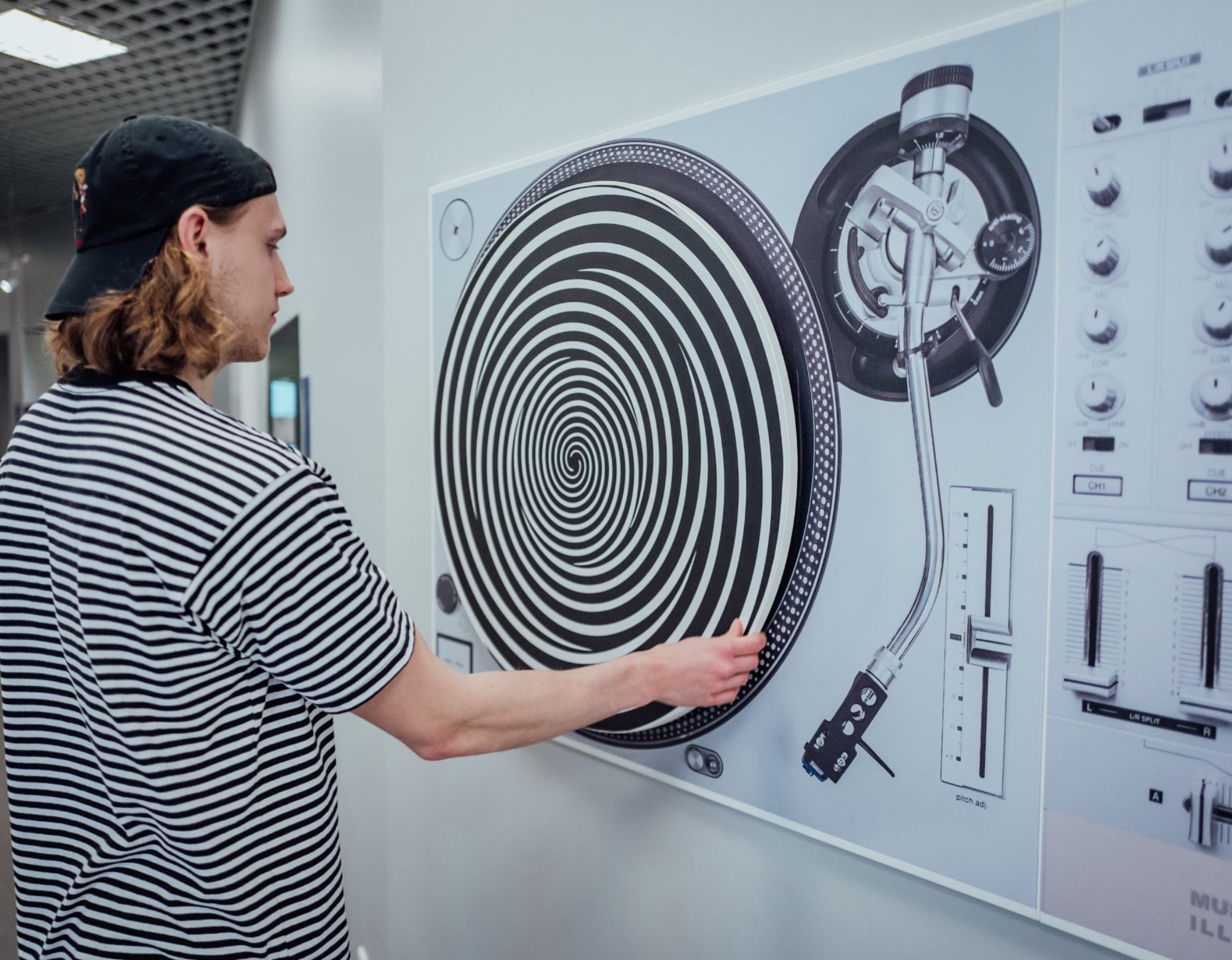
- Sensory Combination: When the brain receives conflicting input from our senses, it gets confused.
- For example, our Vortex Tunnel lets you experience this disorientation first-hand.
What Can We Learn from This?
In general, our brain works remarkably well. It helps us navigate everyday life with speed and precision.
But illusions remind us: things are not always what they seem.
Understanding how and why illusions work can sharpen our awareness and encourage us to think more critically and reflectively.
Plus, illusions are simply great fun! They show us just how colourful, surprising and exciting the world can be—if you look closely.
Experience the World of Illusions First-Hand
Ready for an experience that will challenge your senses?
Visit the Museum of Illusions in Hamburg, located right in the city centre—just minutes from the main train station.
Perfect for families, groups of friends, birthdays or school trips.
An unforgettable visit awaits you!
Click here for tickets.